
The latest SLF PBG regulations 2026 are changing the way property developers, contractors, and landowners approach construction in Bali. If you are planning a development project this year, understanding these regulatory shifts is not optional. It directly determines whether your project gets approved or stalls at the permitting stage.
Indonesia replaced the old IMB building permit with two new instruments, the PBG (Persetujuan Bangunan Gedung) and the SLF (Sertifikat Laik Fungsi), through Government Regulation No. 16 of 2021. Since then, enforcement has grown stricter, and geotechnical data requirements have become a non-negotiable part of the submission process.
SLF PBG regulations 2026 now explicitly require certified soil investigation data as part of the technical documentation submitted through the SIMBG platform, the national Building Management Information System managed by the Ministry of Public Works and Housing. Without this data, your application will not progress past the initial review stage. According to ASTM D5778-20, the international standard for electronic friction cone and piezocone penetration testing, soil investigations must be conducted using standardised methods to produce results that are technically valid and replicable.
What Has Changed in the 2026 PBG and SLF Framework
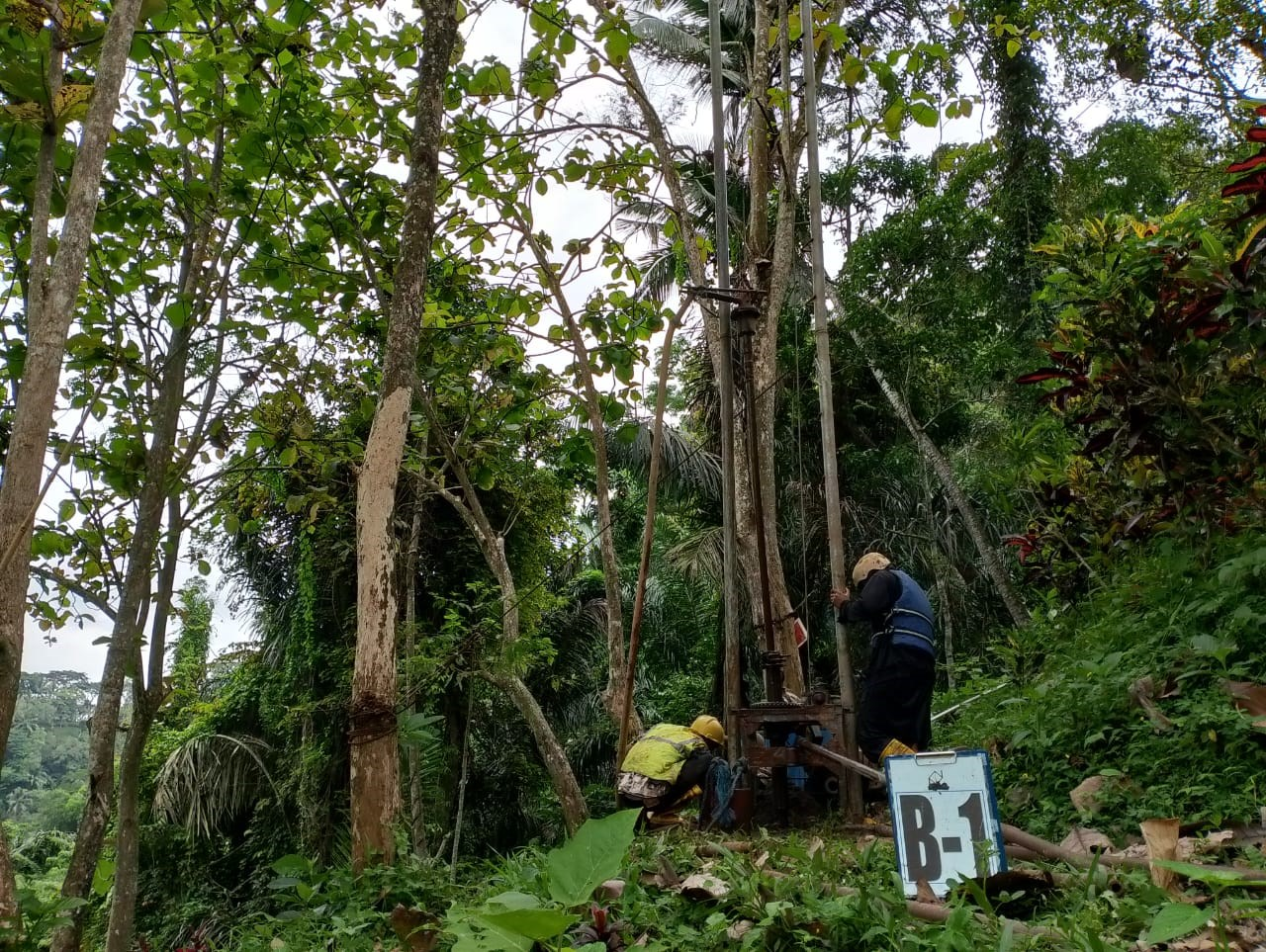
The 2026 framework builds directly on Government Regulation No. 16 of 2021, but enforcement mechanisms have been significantly tightened. Local governments in Bali, including the Badung and Denpasar regencies, are now conducting more rigorous document reviews before issuing PBG approvals. Geotechnical investigation reports must come from certified professionals and reflect actual site conditions, not generic assumptions.
Furthermore, the SLF renewal cycle, which requires renewal every five years for commercial buildings and every 20 years for residential properties, now includes an evaluation of structural compliance backed by subsurface data. This means that even existing buildings must be able to demonstrate that their foundations were designed based on verified soil conditions.
Mandatory Geotechnical Data Requirements for PBG Submission
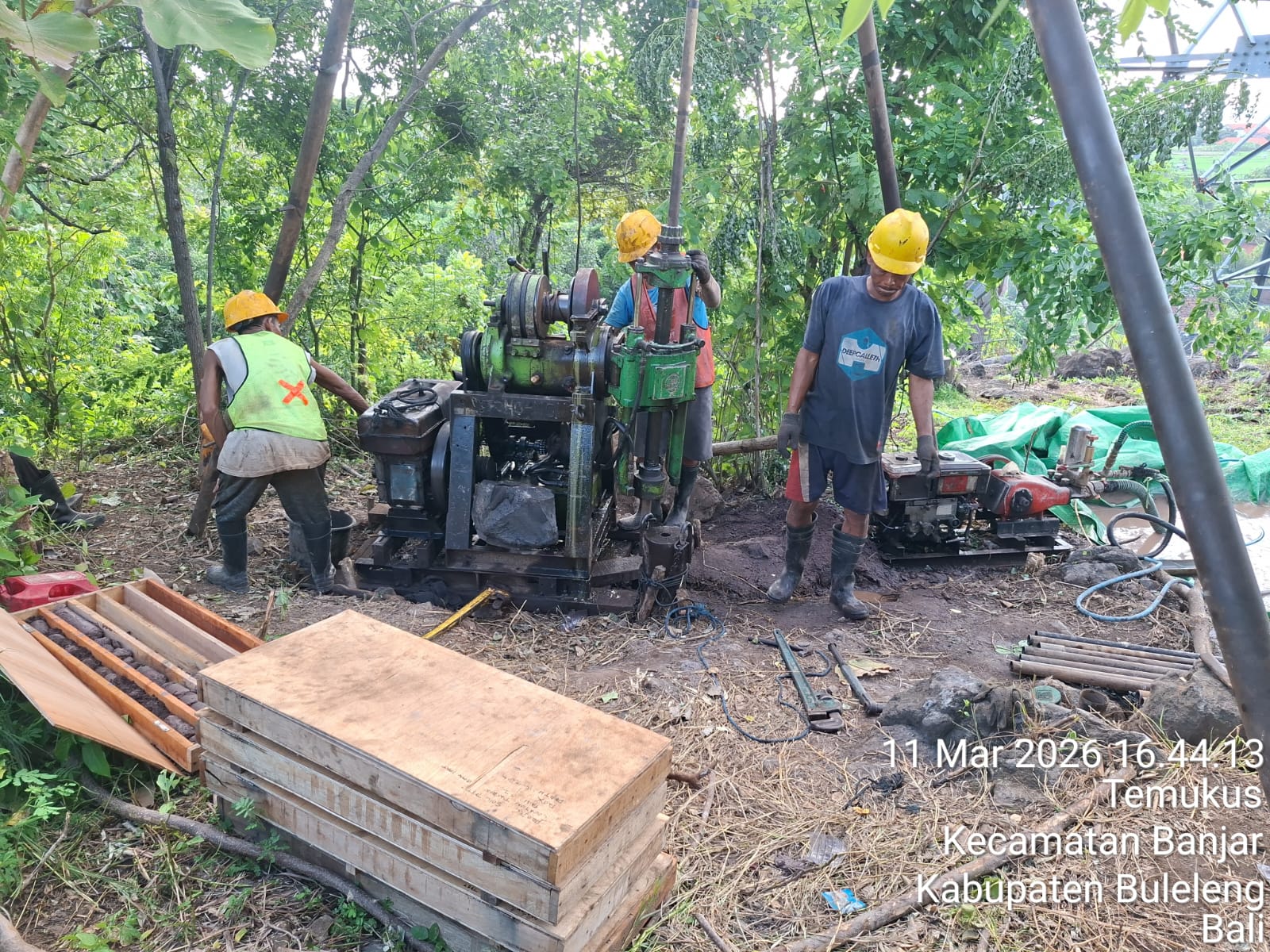
Under the updated SLF PBG regulations 2026, your technical documentation package must include a geotechnical investigation report that covers soil bearing capacity, soil stratification, and foundation recommendations. This aligns with the requirements outlined in Eurocode 7 (EN 1997-1), the international standard for geotechnical design, which requires that all geotechnical structure design be preceded by a ground investigation.
The most commonly accepted method for this investigation in Indonesia is the Cone Penetration Test, or CPT, known locally as uji sondir. This test is standardised under ASTM D3441 for mechanical cone penetration and produces a detailed, continuous record of soil resistance from ground level to the target depth. For projects involving deep foundations or multiple storeys, a Standard Penetration Test (SPT) boring may also be required, governed by ASTM D1586.
| Document Required | Type | Standard Reference | Applies To |
|---|---|---|---|
| Soil bearing capacity report | CPT / Sondir | ASTM D3441 | All building types |
| Soil stratification profile | CPT or Boring | ASTM D5778-20 | All building types |
| Foundation recommendation | Engineering report | Eurocode 7 | All building types |
| Deep foundation investigation | Boring test (SPT) | ASTM D1586 | Multi-storey, commercial |
| Slope stability analysis | Combined CPT + Lab | ISSMGE TC102 | Cliff sites, sloped terrain |
How the 2026 Regulations Impact Developers and Contractors in Bali
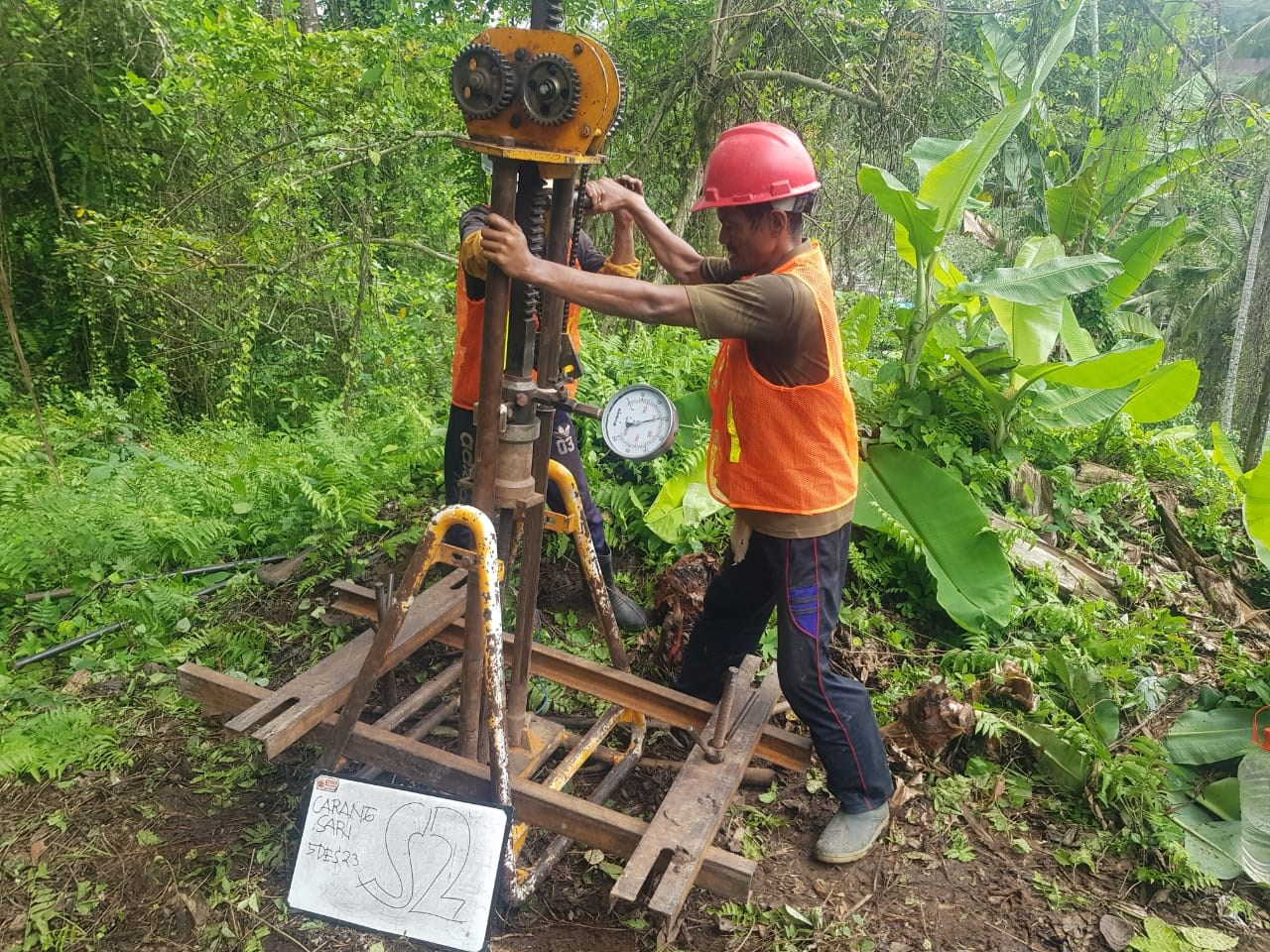
Developers who operate without valid geotechnical documentation now face concrete consequences. Under Article 346 of Government Regulation No. 16 of 2021, sanctions include written warnings, temporary construction suspension, and in severe cases, forced demolition orders. These are not theoretical risks. They are actively enforced in Bali, particularly in high-density areas like Seminyak, Canggu, and Kuta.
For contractors, the implication is equally direct. You are responsible for ensuring that the foundation design matches actual site conditions. The FHWA Geotechnical Engineering Circular No. 5 from the US Department of Transportation identifies site characterisation as the foundational step in any engineering design process. This principle applies universally, including in Bali where soil conditions vary dramatically across short distances.
Opportunities for Developers Who Are Already Compliant
If you already hold certified SLF PBG regulations 2026-compliant documentation, you are in a strong competitive position. Buyers, especially foreign investors and institutional clients, increasingly require full legal documentation before committing to property purchases or joint ventures in Bali. A certified geotechnical report is part of that due diligence package.
Moreover, lenders and financial institutions have started requesting soil investigation reports as part of construction loan evaluations. This means that your investment in a proper soil test does not just satisfy a regulatory requirement. It actively supports your ability to access financing and attract serious buyers.
How Soil Testing Protects Your Property Investment in Bali
What Every Bali Property Investor Must Know About Soil Conditions
Need a Certified Geotechnical Report for Your PBG or SLF Application?
Indo Soil provides certified soil investigation reports that meet the latest requirements of permitting agencies in Bali. Report delivery in 5 to 7 working days.
Challenges to Anticipate with the 2026 SLF PBG Regulations
One of the most common challenges developers face is finding a qualified geotechnical firm that can deliver SIMBG-compliant reports within a project timeline. Many smaller providers lack the certification or the equipment to conduct electronic CPT testing to the standard required by local government reviewers. As a result, some developers receive reports that are rejected or returned for revision.
Another challenge is understanding which test method applies to your specific land. The International Society for Soil Mechanics and Geotechnical Engineering (ISSMGE) Technical Committee 102 provides international guidance on in-situ testing standards. However, interpreting these standards in the context of Bali’s diverse geology requires local expertise that combines international methods with knowledge of regional soil behaviour.
Business Adaptation Strategies for Property Developers in Bali
To adapt effectively to the updated SLF PBG regulations 2026, you should integrate geotechnical investigation into the earliest phase of project planning, before architectural design begins. This ensures that your structural engineer receives actual soil data in time to inform foundation design, rather than retrofitting the design later.
You should also ensure that your geotechnical provider can deliver reports in both English and Bahasa Indonesia, formatted for SIMBG submission. Many government reviewers require specific report formats, and a report that does not follow the correct structure may be delayed regardless of its technical accuracy. Additionally, projects on sloped land or cliff terrain in areas like Uluwatu, Pecatu, or Tabanan should include a slope stability analysis alongside the standard CPT, as required under the updated geotechnical provisions.
Ultimate Bali Soil Testing Guide for Coastal and Cliff Construction Projects
Geotechnical Analysis for Luxury Cliff Villas in Bali
Indo Soil Services and Pricing for PBG and SLF Compliance
Indo Soil provides a full range of soil investigation and survey services specifically designed to meet the requirements of SLF PBG regulations 2026 in Bali. Every report is prepared by experienced engineers and delivered in both English and Bahasa Indonesia in PDF and CAD formats, ready for SIMBG submission.
| Service Package | Price (IDR) | Includes | Delivery |
|---|---|---|---|
| Basic Soil Test | Rp 4,000,000 | 3 CPT points (0-5 m), PDF report, foundation recommendation (EN + ID) | 5 to 7 working days |
| Business Starter | Rp 7,500,000 | CPT 3 points + topographic survey, PDF and CAD (DWG) output | 5 to 7 working days |
| Topographic Survey | Rp 4,500,000 | GPS or Total Station, DWG + PDF, benchmark points, cut and fill data | 5 to 7 working days |
| Custom or Large Projects | Contact for quote | Boring test (SPT), geoelectric, GPR, slope stability analysis | Based on scope |
Read Also
Professional Soil Test Bali: Sampling Procedures Explained
How to Determine Optimal CPT Test Point Spacing in Bali
How Indo Soil Helps You Meet the 2026 Regulatory Requirements
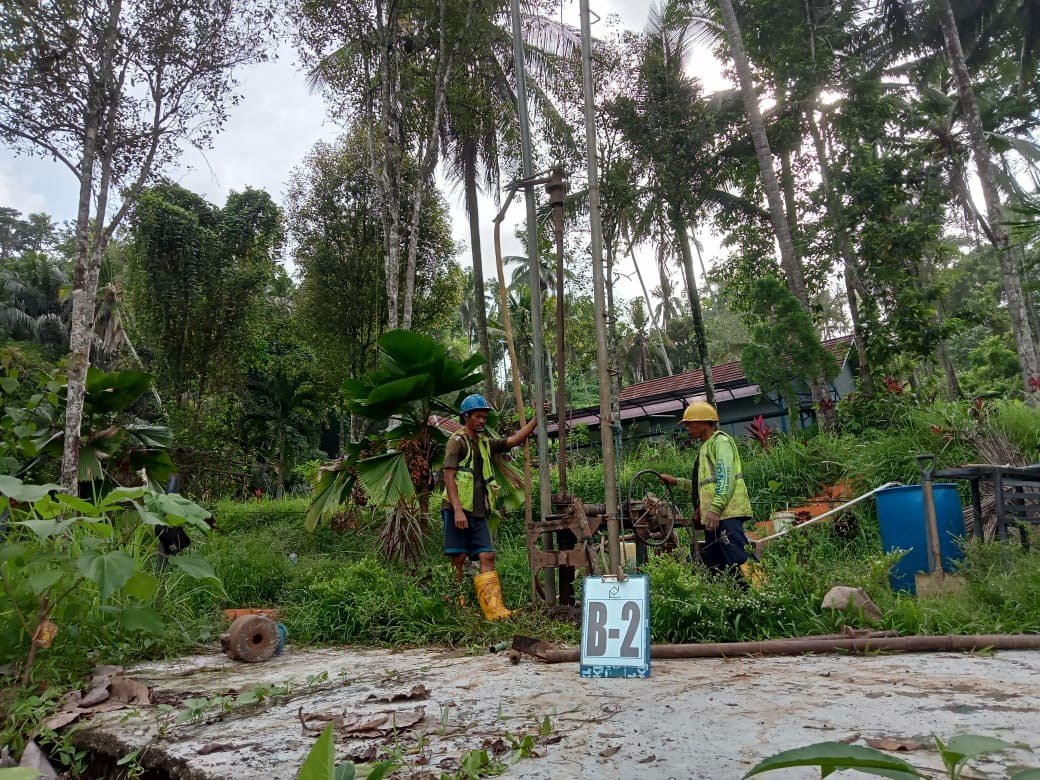
Indo Soil is a professional geotechnical firm based in Bali, serving clients across Bali, Lombok, West Nusa Tenggara, and East Nusa Tenggara. We have completed over 100 projects, tested more than 500 boreholes and soil samples, and surveyed more than 3,000 hectares of land for developers, architects, and private property owners.
Our reports comply with SLF PBG regulations 2026 documentation standards and are accepted by local permitting authorities in Badung, Denpasar, Gianyar, Tabanan, and beyond. We operate with full transparency and zero hidden costs. Whether you are building a private villa, a commercial resort, or a multi-unit residential complex, Anda can rely on our team to deliver accurate data and actionable recommendations on time.
Why Clients Choose Indo Soil for Soil Testing in Bali
Indo Soil: Professional Soil Test Services in Bali
Soil Test for North Bali Property Investment 2026
Get Your Geotechnical Report in 5 to 7 Working Days
Stricter SLF and PBG regulations are an opportunity for compliant developers. Indo Soil is ready to help you meet all geotechnical requirements with professional, certified reports.
Conclusion
The evolving SLF PBG regulations 2026 reflect the Indonesian government’s commitment to safer, more accountable construction. For developers in Bali, these changes create both a compliance obligation and a market advantage. Anda who invest in proper geotechnical documentation stand to build faster, finance more easily, and sell more confidently than those who delay.
The key takeaway is straightforward. A certified soil test is no longer just good practice. Under the 2026 regulatory framework, it is a legal requirement that determines whether your project proceeds or is rejected. Indo Soil is here to make that process straightforward, fast, and fully compliant. Contact Indo Soil today for a free consultation and let us prepare the geotechnical report your project needs.
Frequently Asked Questions
Q1: Is a soil test legally required for PBG applications in Bali in 2026?
Yes. Under the updated SLF PBG regulations 2026 and Government Regulation No. 16 of 2021, technical documents submitted through SIMBG must include geotechnical data demonstrating that your building design accounts for actual subsurface conditions. Projects submitted without this data risk rejection or significant delays.
Q2: What type of soil test is accepted for PBG and SLF documentation?
The most commonly accepted method is the Cone Penetration Test (CPT or Sondir), standardised under ASTM D3441. For deeper investigations or multi-storey buildings, a Standard Penetration Test (SPT) boring may also be required. The specific test type depends on your building class and site conditions.
Q3: How long does Indo Soil take to deliver a geotechnical report?
Indo Soil delivers certified geotechnical reports within 5 to 7 working days from the date of field testing. This timeline applies to standard CPT packages. Larger or more complex projects involving boring tests, slope analysis, or geoelectric surveys may require additional time based on the scope of investigation.
Q4: Does the SLF renewal process also require geotechnical data?
For commercial buildings requiring SLF renewal every five years, technical reviewers from local government assess structural compliance. While the renewal does not always require a new soil test, developers must be able to provide existing geotechnical documentation that supports the original foundation design. If this data is missing, a new investigation may be required.
Q5: Can Indo Soil help with projects outside Bali?
Yes. Indo Soil serves clients across Bali, Lombok, West Nusa Tenggara, and East Nusa Tenggara. We have completed soil testing and topographic survey projects in Pecatu, Canggu, Seminyak, Ubud, Tabanan, and multiple locations across Lombok. View our project case study in Pecatu, South Kuta for an example of our work in complex terrain.
