
Comprehensive Overview of Bali Soil Testing Guide
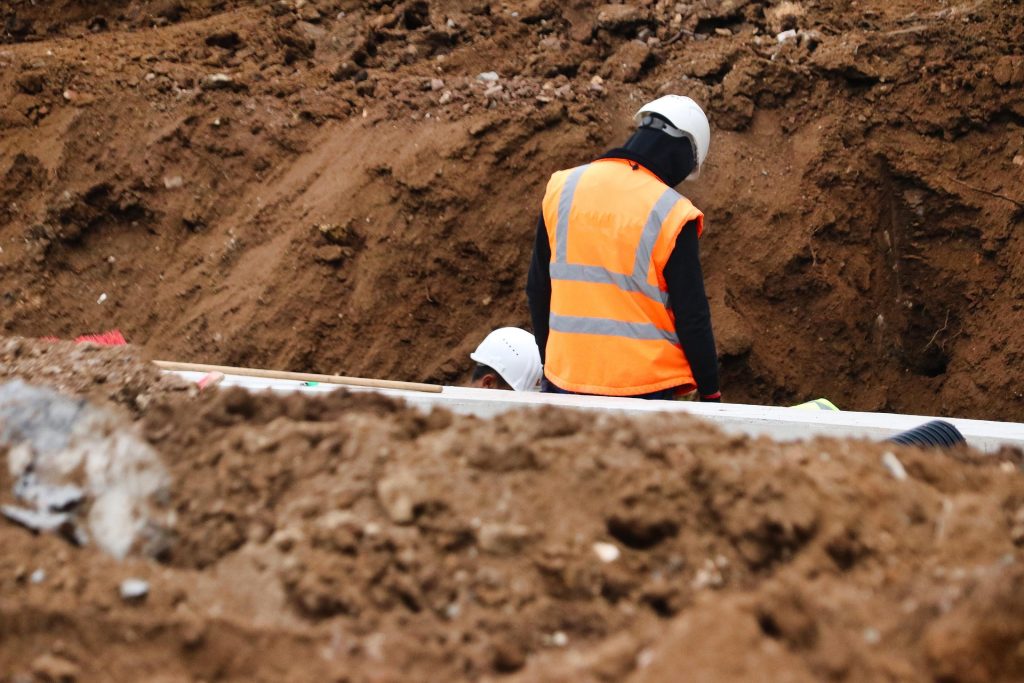
You are reading a complete guide on construction in Bali’s coastal and cliff areas. This guide covers geotechnical challenges and practical solutions. Moreover, it explains essential steps from theory to real field applications.
The main keyphrase is Bali soil testing guide. Therefore, soil investigation becomes the foundation of every safe construction decision. Additionally, this guide applies to Bali, NTB, and NTT projects.
Why Bali Soil Testing Guide Is Critical in Modern Construction
Construction in Bali is growing rapidly. However, geotechnical risks continue to increase significantly. Therefore, understanding soil conditions is no longer optional.
In fact, real cases show severe consequences without proper soil analysis. For example, a luxury project in Pecatu experienced a cliff collapse in 2024. The failure occurred due to missing geotechnical investigation.
As a result, developers faced financial losses and safety risks. Meanwhile, proper soil testing prevents these issues early. Consequently, every investment in soil investigation saves future repair costs.
Key Soil Characteristics in Bali Coastal and Cliff Areas
Each region in Bali has different geological conditions. Therefore, soil testing must adapt to local characteristics.
Southern coastal cliffs mainly consist of limestone karst. These formations often contain hidden cavities. Moreover, they are vulnerable to erosion and seismic activity.
In contrast, areas like Canggu and Berawa contain alluvial clay soils. These soils have low bearing capacity. Consequently, settlement risks become a major concern.
Meanwhile, northern and highland areas contain volcanic soils. These soils often face slope instability and landslides. Therefore, proper slope analysis becomes essential.
Mandatory Standards in Bali Soil Testing Guide
All construction projects in Indonesia must follow national standards. Therefore, compliance ensures safety and legal approval.
Key standards include SNI for soil testing and earthquake design. Additionally, environmental regulations require AMDAL for coastal projects.
Moreover, international standards such as ASTM and ISO support advanced testing methods. Consequently, combining local and global standards improves accuracy.
Failure to comply can stop projects entirely. Therefore, developers must prioritize regulatory alignment from the beginning.
Best Soil Testing Methods for Coastal and Cliff Projects
Choosing the right testing method is crucial. Therefore, each site requires a tailored approach.
Cone Penetration Test works well for continuous soil profiling. It provides fast and reliable data. Moreover, it detects layer variations effectively.
Boring with Standard Penetration Test provides deeper insights. It allows laboratory testing of soil samples. Therefore, engineers gain accurate strength parameters.
For coastal zones, CPTu offers advanced pore pressure data. Consequently, it improves foundation design in saturated soils.
Additionally, geophysical methods detect underground cavities. These methods are essential in karst cliff areas.
Risks of Ignoring Bali Soil Testing Guide
Ignoring soil testing leads to serious consequences. Therefore, risks extend beyond technical failures.
Cliff collapses and landslides can occur suddenly. Moreover, structural settlement damages buildings over time.
Financial losses also increase significantly. Developers must repair or rebuild structures. Meanwhile, legal issues may arise due to safety violations.
In extreme cases, construction failures threaten human lives. Therefore, soil testing becomes a non-negotiable step.
Step-by-Step Soil Investigation Process in Bali
A proper investigation follows a structured process. Therefore, each phase ensures reliable results.
First, engineers conduct a desk study. They analyze geological maps and project data.
Next, field testing begins. This stage includes CPT, SPT, or combined methods.
Afterward, laboratory testing evaluates soil properties. These include strength and compressibility.
Finally, experts prepare a technical report. This report includes recommendations for foundation design.
Special Considerations for Southern Bali Cliffs
Southern Bali cliffs require special attention. Therefore, developers must address unique challenges.
Karst formations often hide underground voids. These voids weaken structural support.
Additionally, ocean waves continuously erode cliff edges. Consequently, long-term stability becomes uncertain.
Seismic activity also affects the region. Therefore, earthquake-resistant design is mandatory.
Soil Testing Focus for Coastal Flat Areas
Flat coastal regions present different challenges. However, risks remain equally serious.
Soft clay soils dominate these areas. Therefore, buildings often experience gradual settlement.
High groundwater levels increase construction complexity. Moreover, drainage becomes critical.
Liquefaction risk also exists during earthquakes. Consequently, proper analysis is essential before construction.
Common Technical Mistakes in Soil Testing
Many projects overlook critical technical details. Therefore, mistakes often lead to inaccurate results.
Testing depth is frequently insufficient. Engineers must reach the true bearing layer.
Additionally, the number of test points is often inadequate. Larger or complex sites require more data points.
Data interpretation also requires expertise. Therefore, experienced professionals must analyze results carefully.
Conclusion of Bali Soil Testing Guide
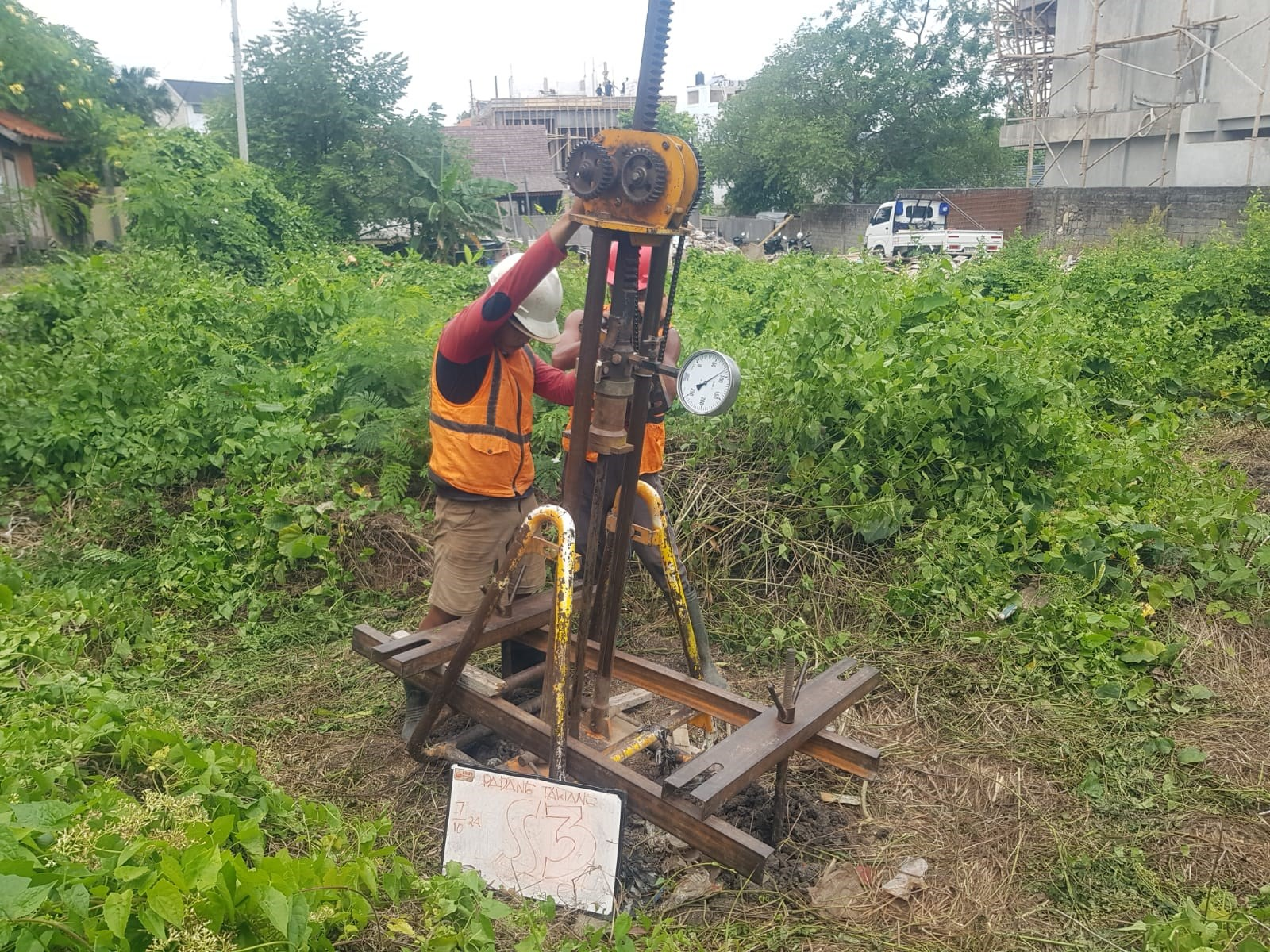
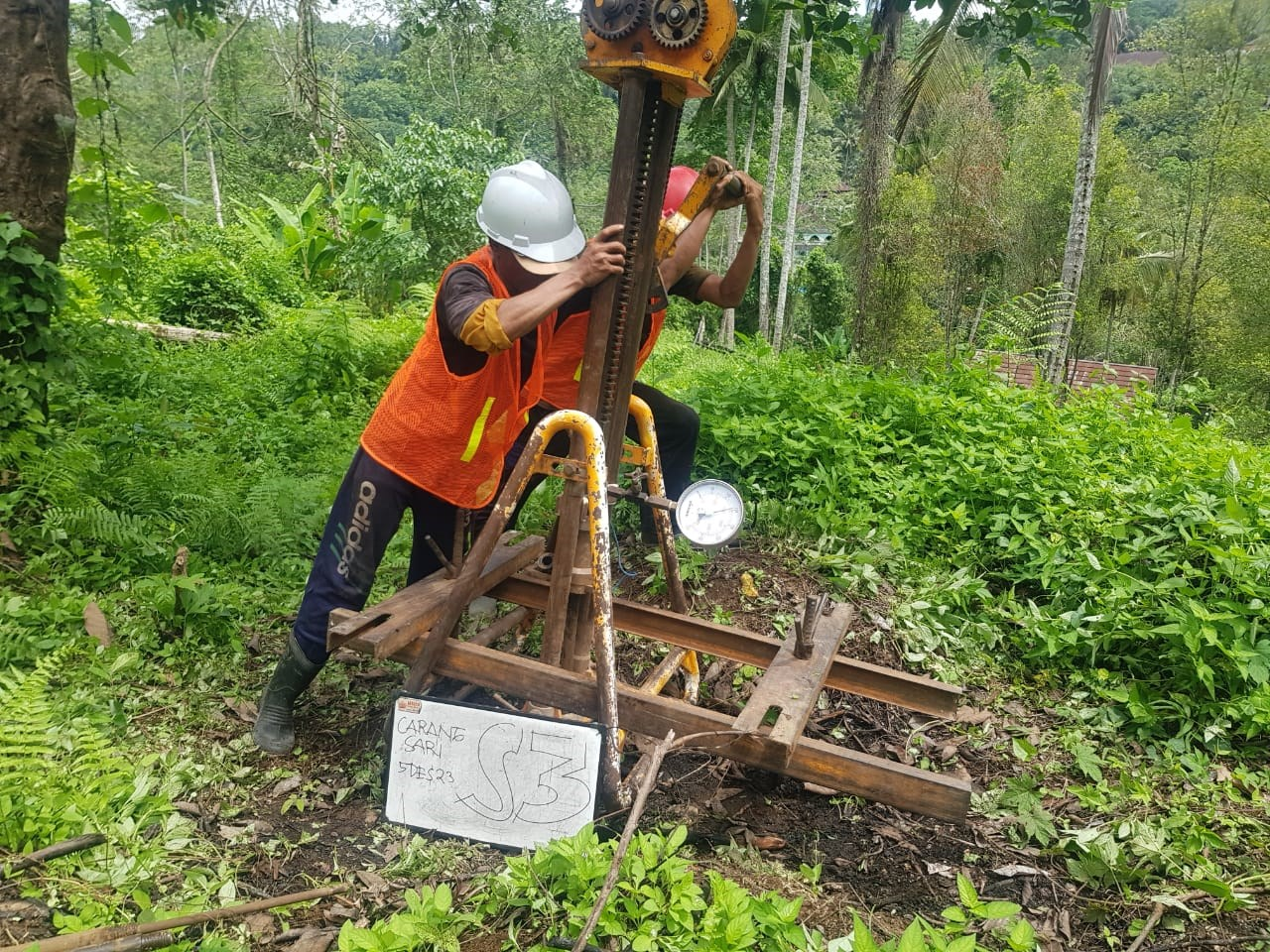
This Bali soil testing guide provides a complete construction reference. It covers geological understanding, testing methods, and risk prevention.
Moreover, it highlights the importance of compliance and accurate data. Therefore, developers can make informed decisions confidently.
Ultimately, soil testing protects investments and ensures safety. Consequently, every successful project begins with proper ground investigation.
