
Soil Testing, Soil Strength, and Types of Soil
Soil testing has become one of the first steps you cannot skip before starting any construction project, whether it is a house, villa, or commercial development. The ground beneath your building determines the long‑term strength and stability of the structure, so understanding soil testing will help you avoid problems such as foundation settlement, floor cracks, or even gradual collapse. This topic is relevant for all landowners, from those building a private home to developers of large projects in Bali, West Nusa Tenggara (NTB), and East Nusa Tenggara (NTT).
You will learn the basic principles of soil testing, the common types of soil, and how to interpret both field and laboratory data. Data from the Badan Pusat Statistik (BPS) and international standards such as ISO 14688 for soil identification emphasize the importance of a systematic approach to soil testing. With a good understanding, you can choose the right investigation methods, such as cone penetration test (sondir), borehole SPT, or topographic survey, according to your project’s needs.
What Is Soil Investigation? A Complete Guide from A to Z
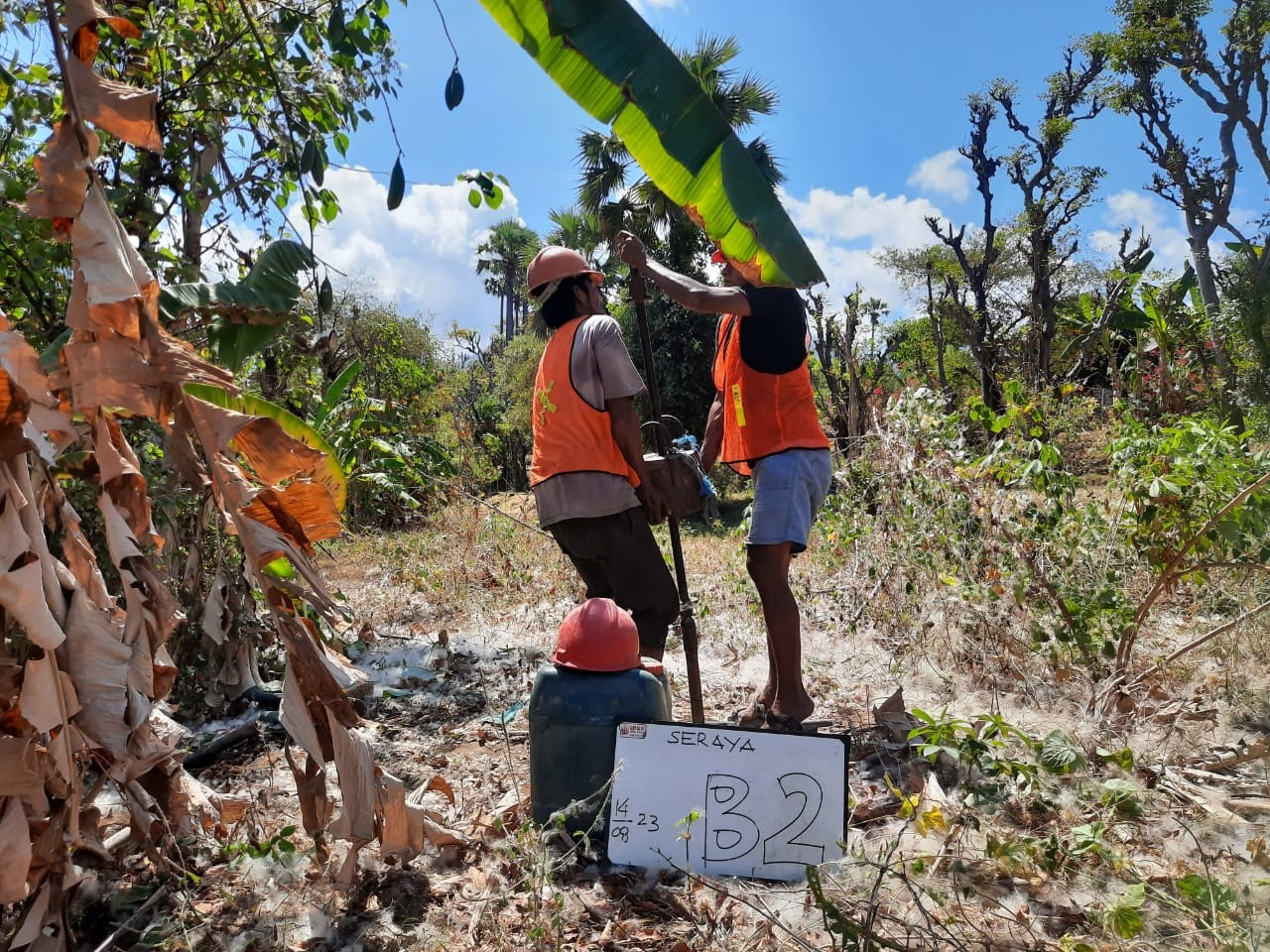
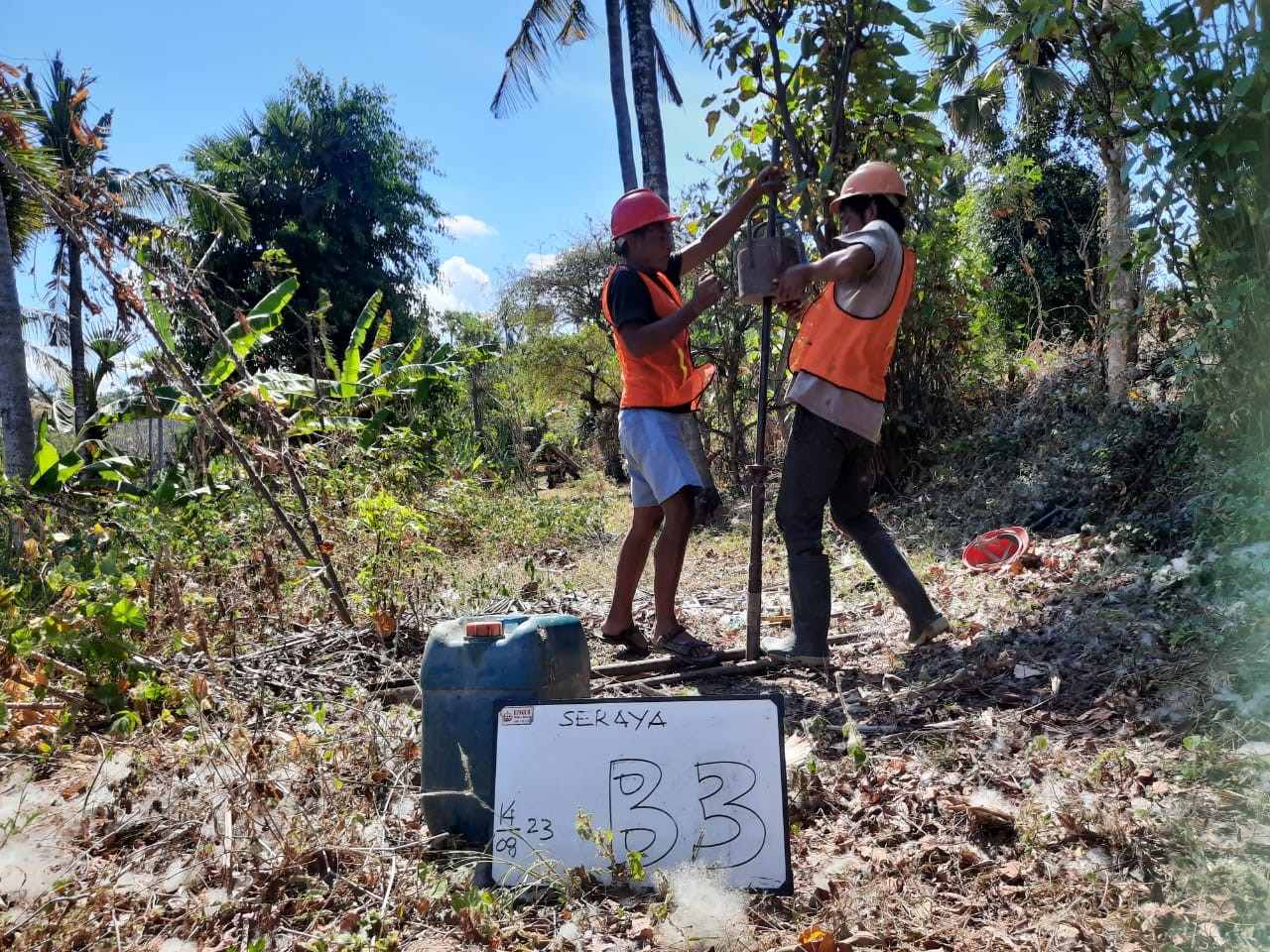
Soil investigation, or soil testing, is a scientific process to determine the physical and mechanical properties of soil at a potential building site. This method involves taking soil samples, drilling boreholes, and conducting laboratory tests to determine strength, density, moisture content, and soil‑bearing capacity. The results of soil testing form the basis for calculating foundations and drainage systems that are safe and reliable.
Soil investigations refer to international standards such as ISO 14688, which describe the identification and classification of soil for civil engineering purposes. In Indonesia, BPS and related agencies use soil data for infrastructure planning and the management of degraded land, so soil test results are also relevant for permits and risk mitigation.
Why Is This Topic Important in Modern Construction?
Today, especially in Bali and Eastern Indonesia, geotechnical risk has become a key factor in the success of construction projects. Soil testing ensures that the ground can support the building load, reduces structural damage, and speeds up the permitting process, such as SLF/PBG. Every investment in a soil investigation will save you much higher repair costs in the future.
International standards such as ASTM D1586 govern the SPT (Standard Penetration Test), which measures soil strength using a 63.5 kg hammer dropped from a height of 76 cm. The N‑value obtained from SPT becomes the basis for foundation recommendations, ranging from shallow foundations for 1–2 story homes to deep foundations for multistorey hotels.
Critical Factors That Affect Soil Testing
The geology in Bali, Lombok, and NTT makes every site unique. Limestone soil in South Kuta tends to be stable, whereas clay soil in the northern coastal areas of Bali is expansive, and volcanic soil in Lombok has a hard layer underneath with loose material on top. Understanding this is important for choosing the right soil testing method, such as cone penetration test (sondir) for soft layers or boring SPT for hard layers.
ISO 14688 helps identify organic soil, clay, sand, and rock, while the classification of alluvial soil, clay, or coastal sand affects foundation design. For example, former paddy‑field clay soil requires a deep foundation because it expands when wet and shrinks when dry.
Standards and Regulations in Indonesia
Geotechnical work in Indonesia follows the SNI (Standar Nasional Indonesia), including SNI 2827 for cone penetration test (sondir) and SNI 4153 for SPT, as well as regulations from BPS for managing degraded land. Compliance with these standards ensures that soil testing reports are valid for permits and insurance claims.
BPS data show that millions of hectares of degraded land exist in Indonesia, highlighting the importance of soil investigation to mitigate landslides, erosion, and soil subsidence. International standards such as ISO 14688 also support soil classification for civil engineering, increasing confidence in the results of soil testing.
Table 1: Types of Soil and Characteristics
Table 2: Soil Testing Methods
Table 3: Examples of Soil Testing Service Prices (Indo Soil)
Frequently Asked Questions (FAQ)
-
What are the benefits of conducting soil testing?
It reduces the risk of foundation cracks, landslides, and high repair costs. -
Is soil testing necessary for small houses?
Yes, to ensure the foundation matches the soil strength. -
How long does it take to receive soil test results?
Usually 5–7 working days. -
Which method is the most accurate?
Borehole SPT for deep‑layer data. -
How do you choose a soil testing partner?
Choose an experienced, certified partner such as Indo Soil.
